Eucalyptus lump charcoal is becoming increasingly popular in both domestic BBQ markets and international trade. Thanks to its stable heat, clean burn, and consistent quality, eucalyptus charcoal is now widely produced in professional charcoal factories across Asia. Understanding how to make eucalyptus charcoal not only helps buyers evaluate product quality but also provides insight into the charcoal production process and pricing structure.
In this guide, we will explain how to manufacture charcoal from eucalyptus wood, covering the full charcoal carbonization process, wood charcoal making steps, and key factors that influence charcoal price per ton.
What Is Eucalyptus Lump Charcoal?
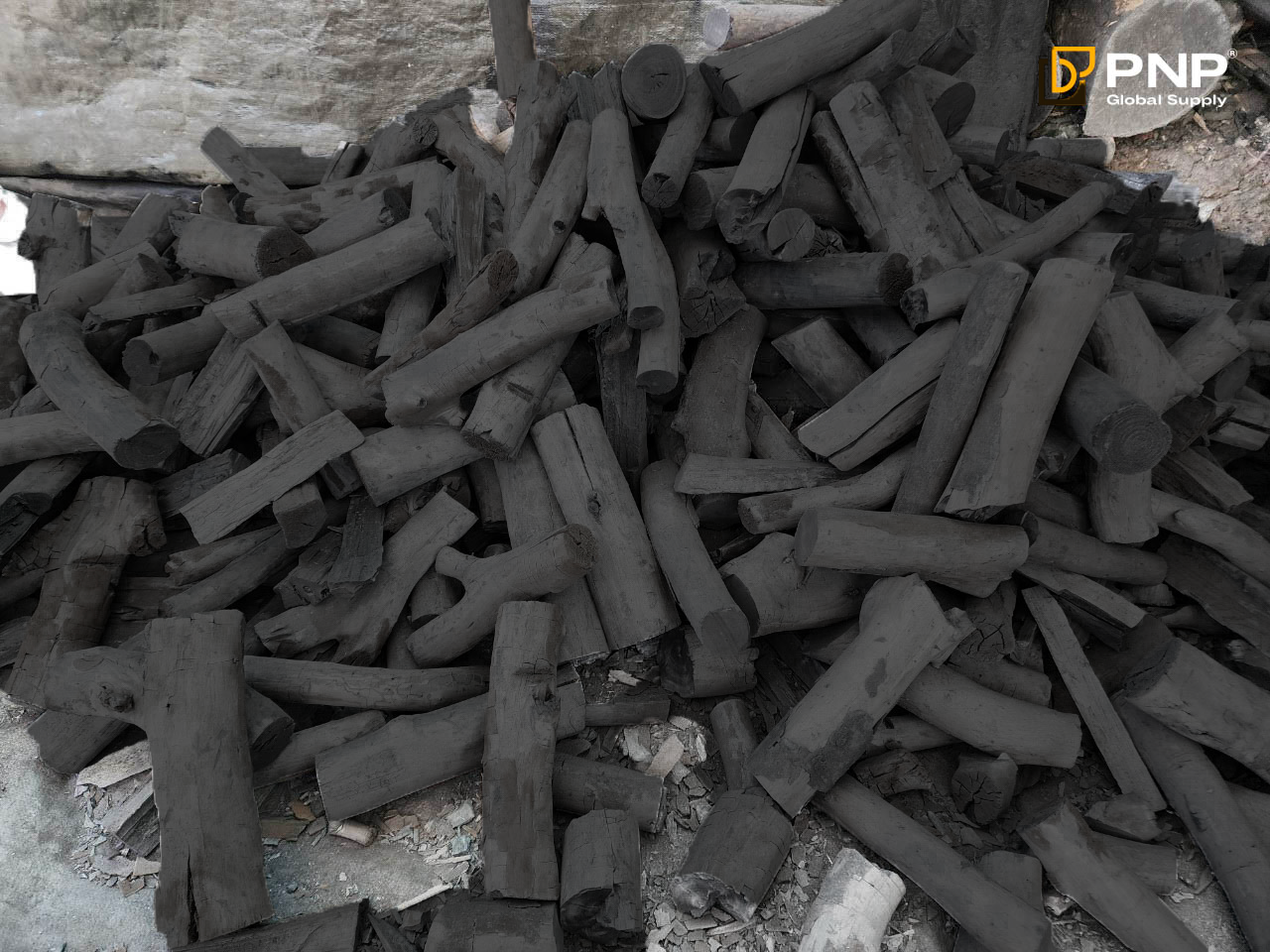
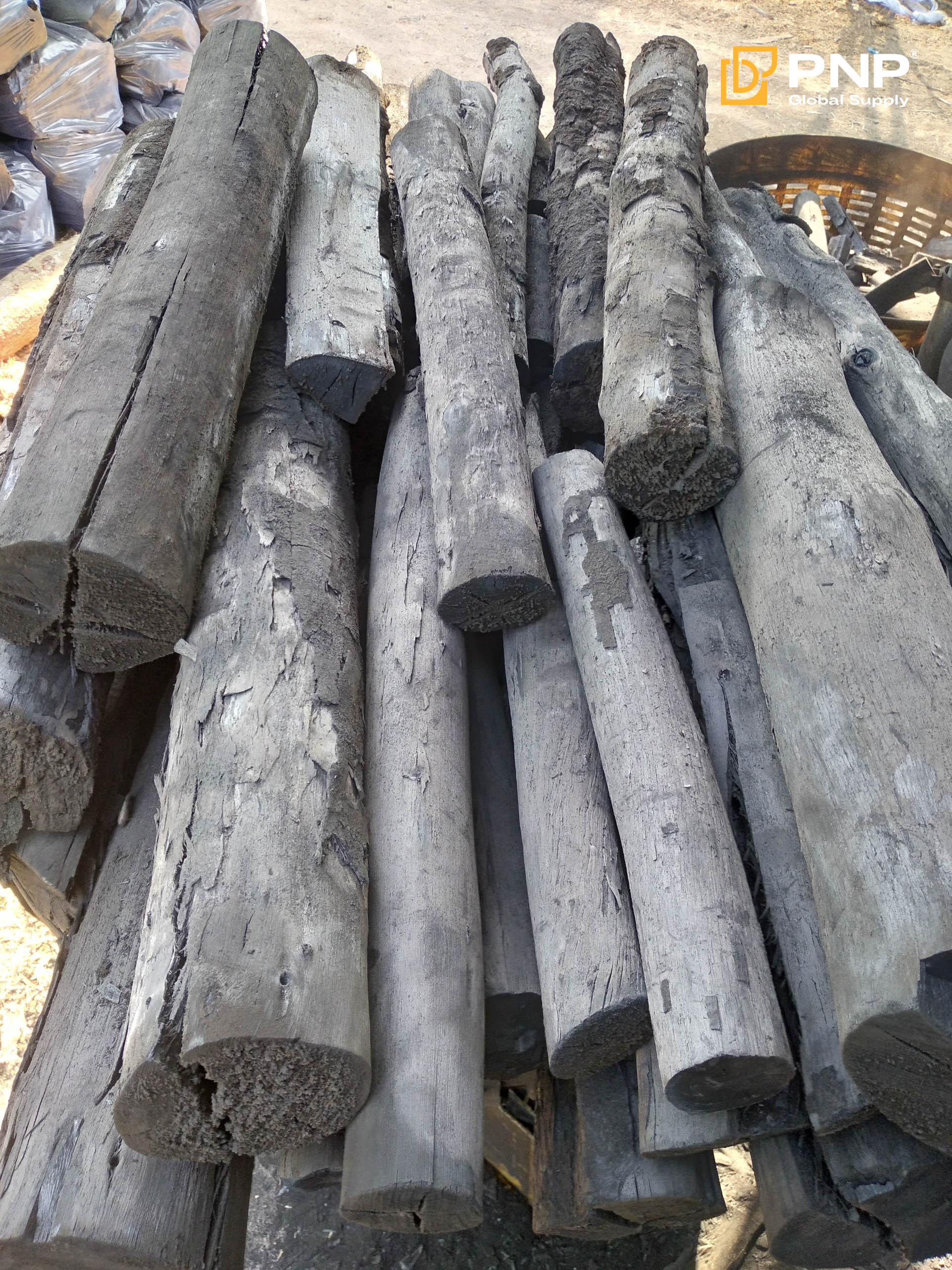
Eucalyptus lump charcoal is a type of natural lumpwood charcoal made from eucalyptus wood through a controlled carbonization process. Unlike briquettes, this charcoal is produced directly from solid wood without additives or binders, preserving the natural structure of the wood.
Eucalyptus charcoal is valued for its medium-to-high heat output, relatively low ash content, and steady burning performance. These characteristics make eucalyptus lump charcoal suitable for grilling, restaurant kitchens, and commercial BBQ operations. In export markets, it is often chosen as a cost-effective alternative to premium hardwood charcoal while still delivering reliable performance.
Why Eucalyptus Wood Is Used for Charcoal Production
Eucalyptus wood is widely available in many regions and grows relatively fast compared to traditional hardwoods. This makes it a practical raw material for wood charcoal making at scale. When properly prepared and carbonized, eucalyptus wood produces charcoal with good density and acceptable fixed carbon levels.
For charcoal factories, eucalyptus offers a stable supply chain, consistent wood size, and predictable production results. These factors help manufacturers maintain uniform quality across large volumes of eucalyptus charcoal, especially for bulk orders and container exports.
Raw Materials Preparation in a Charcoal Factory
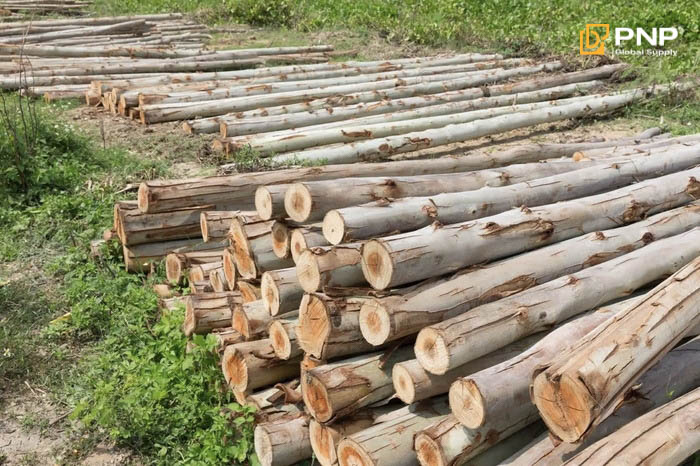
Before the charcoal production process begins, eucalyptus wood must be carefully prepared. Logs are typically cut into uniform sizes to ensure even heat distribution during charcoal carbonization. Moisture control is one of the most critical steps, as wet wood leads to poor carbonization and excessive smoke.
In professional charcoal factories, eucalyptus wood is air-dried or naturally seasoned to reduce moisture content before entering the kiln. Proper raw material preparation directly affects burning time, charcoal structure, and overall product quality.
How to Manufacture Charcoal from Eucalyptus Wood
Understanding how to manufacture charcoal requires looking at each stage of production, from loading the kiln to final sorting.
Preparation and Loading
The prepared eucalyptus wood is stacked inside traditional or modern kilns. The stacking method allows airflow while preventing collapse during heating. At this stage, the goal is to prepare the wood for gradual thermal decomposition rather than direct burning.
Charcoal Carbonization Process
Charcoal carbonization is the core step in eucalyptus charcoal production. The kiln temperature is slowly increased while oxygen is carefully controlled. This process drives off moisture, volatile compounds, and gases, leaving behind carbon-rich charcoal.
In a charcoal factory, carbonization can take several days depending on kiln type and wood size. Proper control of temperature and airflow ensures the eucalyptus lump charcoal develops a strong structure without cracking or excessive ash formation.
Cooling and Unloading
After carbonization, the kiln is sealed and allowed to cool naturally. Rapid cooling can damage the charcoal and reduce its strength. Once cooled, the charcoal is unloaded and inspected for quality.
This stage is crucial for maintaining the integrity of lumpwood charcoal, especially for export-grade eucalyptus charcoal.
Complete Charcoal Production Process Overview
The full charcoal production process includes raw material selection, drying, carbonization, cooling, sorting, and packaging. In a modern charcoal factory, each step is carefully managed to ensure consistency and efficiency.
Compared to small-scale manual production, factory-based eucalyptus charcoal manufacturing offers better quality control, lower defect rates, and higher output. This is why large buyers often prefer sourcing from established charcoal factories rather than individual producers.
Quality Characteristics of Eucalyptus Charcoal
High-quality eucalyptus lump charcoal should burn evenly, produce moderate heat, and leave minimal ash after use. While eucalyptus charcoal may not burn as long as some dense hardwood charcoals, it offers stable performance and easy ignition.
The quality of eucalyptus charcoal depends heavily on the charcoal carbonization process. Poor temperature control or improper cooling can result in fragile charcoal that breaks easily during transport.
Common Challenges in Wood Charcoal Making
Wood charcoal making is not without challenges. Variations in eucalyptus wood density, moisture levels, and kiln conditions can affect final charcoal quality. Inconsistent carbonization may lead to uneven burn or excessive smoke.
Charcoal factories must also manage production losses caused by breakage, over-burning, or incomplete carbonization. These challenges directly impact production costs and charcoal price per ton.
Charcoal Price per Ton: What Affects the Cost?
Charcoal price per ton varies depending on several factors, including raw material availability, production method, labor costs, and packaging standards. For eucalyptus charcoal, prices are generally lower than premium hardwood charcoal but higher than low-grade mixed wood charcoal.
Export-grade eucalyptus lump charcoal often includes additional costs such as sorting, moisture control, and standardized packaging. Buyers should evaluate price alongside quality, burn performance, and supplier reliability.
Is Eucalyptus Lump Charcoal Suitable for Export?
Eucalyptus lump charcoal is well-suited for commercial and export use, particularly in markets that prioritize stable supply and competitive pricing. It is commonly used by restaurants, BBQ businesses, and distributors who require consistent quality without premium pricing.
When sourced from a reputable charcoal factory, eucalyptus charcoal can meet international standards for moisture content, ash level, and packaging, making it suitable for long-distance shipping.
PNP Charcoal supplies high-quality eucalyptus lump charcoal for commercial and export markets, meeting international standards for moisture content, ash level, and packaging. With stable quality, competitive pricing, and reliable supply from trusted charcoal factories, our eucalyptus charcoal is suitable for long-distance shipping and large-volume orders. To learn more about our products and export solutions, please visit our website:PNP Charcoal
Conclusion
Learning how to make eucalyptus charcoal helps buyers and industry professionals better understand product quality and pricing. From raw material preparation to charcoal carbonization and final packaging, every step of the charcoal production process plays a role in determining performance and cost.
Eucalyptus lump charcoal offers a balanced solution for businesses seeking reliable charcoal with reasonable pricing. By working with experienced charcoal factories and understanding how to manufacture charcoal correctly, buyers can secure stable supply and long-term value in today’s competitive charcoal market.
________________________________
Contact us for more information
Facebook: PNP Charcoal
Instagram: PNP Charcoal
Email: info@pnpglobalsupply.com