Entering the charcoal import business can be highly profitable, but it also comes with many challenges, especially for new charcoal importers. One of the most misunderstood yet critical elements in international trade is Incoterms. If you are planning to work with charcoal manufacturers overseas or buy charcoal in bulk for the first time, understanding Incoterms is not optional—it is essential.
Incoterms directly affect the price of charcoal, logistics responsibilities, risk allocation, and overall import costs. Many new importers focus only on the unit price and later face unexpected expenses related to cost and freight, insurance, or port charges. This article explains what Incoterms are, why they matter in charcoal import, and how new importers can choose the right terms to avoid costly mistakes.
What Are Incoterms? A Simple Explanation for Charcoal Importers
Incoterms, short for International Commercial Terms, are standardized trade rules published by the International Chamber of Commerce. These rules define the responsibilities of buyers and sellers in international transactions, especially regarding delivery, transportation, risk transfer, and cost allocation.
In charcoal import, Incoterms clarify who is responsible for transporting the goods, who pays for cost and freight, when risk transfers from the charcoal manufacturers to the charcoal importers, and which party handles export or import formalities. Without a clear Incoterm, misunderstandings can arise even if both parties agree on the price of charcoal.
For new importers, Incoterms serve as a foundation for managing risk and controlling total landed costs, especially when buying charcoal in bulk across borders.
Why Incoterms Matter in Charcoal Import
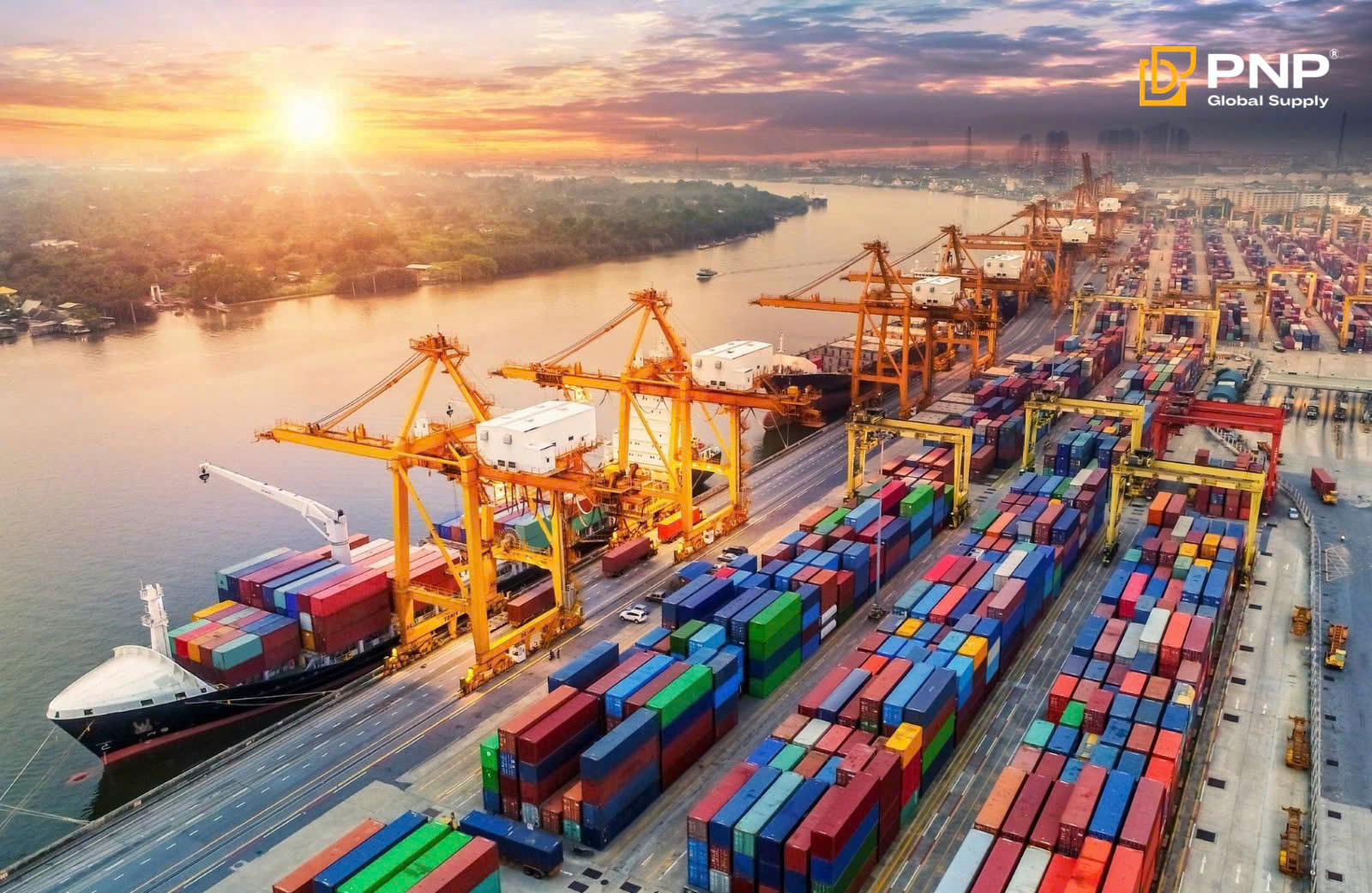
Charcoal is a bulk commodity, often shipped in containers or break-bulk cargo. The value per shipment can be high, and the logistics chain usually involves multiple steps such as inland transport, port handling, sea freight, and customs clearance. Incoterms determine who takes responsibility at each stage.
In charcoal import, Incoterms impact more than logistics. They influence cash flow, insurance needs, delivery timelines, and negotiation power with charcoal manufacturers. Choosing the wrong Incoterm can increase the final price of charcoal significantly, even if the quoted unit price seems attractive.
For new charcoal importers, Incoterms also affect how much control they have over shipping schedules, freight rates, and service providers. This becomes especially important when importing regularly or buying charcoal in bulk.
Working With Charcoal Manufacturers: The Role of Incoterms
When dealing with charcoal manufacturers, Incoterms define the boundary of responsibility between the supplier and the buyer. Some manufacturers prefer offering factory-gate prices, while others provide port-based or freight-inclusive quotes.
Clear Incoterms help charcoal importers understand what is included in the quoted price of charcoal and what additional costs they should expect. This transparency is crucial when comparing suppliers or negotiating long-term supply contracts.
For manufacturers, Incoterms also help streamline operations and reduce disputes. For importers, they provide predictability and allow better cost planning, especially for cost and freight.
Common Incoterms Used in Charcoal Import
Although Incoterms include many options, only a few are commonly used in charcoal import. New importers should focus on understanding these practical terms rather than memorizing all Incoterms.
-
EXW (Ex Works): Lowest Price, Highest Responsibility
Under EXW, the charcoal manufacturers make the goods available at their factory or warehouse. From that point onward, the charcoal importers are responsible for all transportation, documentation, cost and freight, and risks.
EXW often shows the lowest price of charcoal on paper, which may attract new importers. However, this term requires strong logistics experience and reliable local partners in the exporting country. Without proper coordination, costs can escalate quickly.
EXW is usually not recommended for first-time charcoal importers unless they already have a solid logistics network.
-
FOB (Free On Board): The Most Balanced Option
FOB is one of the most widely used Incoterms in charcoal import. Under FOB, charcoal manufacturers are responsible for delivering the goods to the port of loading and loading them onto the vessel. Once the goods are on board, risk transfers to the charcoal importers.
FOB offers a balance between cost control and operational simplicity. Importers can choose their own freight forwarders while avoiding the complexities of inland logistics in the exporting country. For new charcoal importers, FOB is often the safest and most transparent choice.
-
CFR and CIF: Understanding Cost and Freight
CFR (Cost and Freight) and CIF (Cost, Insurance and Freight) are commonly used Incoterms in charcoal import. Under CFR, the seller pays for ocean freight to the destination port, but the risk transfers to the buyer once the goods are loaded on board, and insurance is arranged by the buyer. Under CIF, the seller also provides insurance, although the risk still transfers at the port of loading.
While CFR and CIF include cost and freight in the price of charcoal, charcoal importers have limited control over shipping schedules and freight rates. For this reason, understanding the cost and freight structure is especially important when buying charcoal in bulk.
-
How Incoterms Affect the Price of Charcoal
The price of charcoal is not just the product cost. It includes logistics, handling, risk, and administrative expenses. Incoterms define which of these elements are included in the quoted price and which are paid separately by the importer.
For example, an EXW price may look cheaper than a FOB or CFR price, but once inland transport, port fees, and export documentation are added, the total cost may exceed expectations. Similarly, CFR prices may include freight, but importers should verify whether port charges and destination handling fees are included.
For charcoal importers, comparing offers from different charcoal manufacturers is only meaningful when Incoterms are the same. Otherwise, price comparisons can be misleading.
If you want to learn practical ways to reduce charcoal import costs, check out our article: How to Reduce Charcoal Import Costs for Importers
Choosing the Right Incoterms for New Charcoal Importers
New charcoal importers should select Incoterms based on experience level, shipment volume, and risk tolerance. Those who are new to international logistics should prioritize clarity and predictability over marginal price savings.
FOB is often recommended as a starting point because it offers transparency and allows importers to gradually learn freight management. CFR or CIF may be suitable for smaller shipments or when working with trusted charcoal manufacturers.
When planning to buy charcoal in bulk, Incoterms become even more important because small cost differences can multiply across large volumes.
Common Mistakes New Importers Make With Incoterms
One of the most common mistakes is focusing only on the price of charcoal without understanding what is included. Another frequent error is assuming that cost and freight cover all expenses, only to discover additional charges at the destination port.
Some charcoal importers also fail to clearly specify Incoterms in contracts or purchase orders, leading to disputes and delays. Clear documentation and mutual understanding with charcoal manufacturers are essential for smooth operations.
Negotiating Incoterms With Charcoal Manufacturers
Negotiation is not just about price; it is also about terms. New importers should openly discuss Incoterms with charcoal manufacturers and request detailed cost breakdowns. Asking the supplier to explain what is included in the quoted price helps avoid misunderstandings.
For long-term partnerships or bulk purchases, negotiating FOB or flexible cost and freight arrangements can lead to better pricing and smoother logistics. Transparent communication builds trust and improves supply chain efficiency.
PNP Charcoal supports buyers by offering transparent Incoterms options, clear cost breakdowns, and flexible FOB or cost-and-freight terms for smooth and reliable charcoal imports. Visit our website to learn more: PNP Charcoal

Conclusion
For anyone entering the charcoal import business, Incoterms are not just technical trade rules—they are a strategic tool. They shape the price of charcoal, determine risk allocation, and influence long-term profitability.
New charcoal importers who understand Incoterms are better equipped to work with charcoal manufacturers, control cost and freight, and confidently buy charcoal in bulk. By choosing the right Incoterms from the beginning, importers can build a stable and sustainable charcoal import operation.
________________________________
Contact us for more information
Facebook: PNP Charcoal
Instagram: PNP Charcoal
Email: info@pnpglobalsupply.com