In recent years, the demand for high-quality charcoal has grown significantly around the world. From barbecue restaurants in Japan to industrial applications in the Middle East, charcoal remains an essential energy source. As global trade expands, more wood charcoal importers are looking for reliable suppliers and efficient logistics solutions. Understanding how to import charcoal properly is crucial for ensuring quality, compliance, and profitability.
This article provides a detailed overview of the charcoal import process — including documentation, shipping, and customs procedures — along with insights into pricing, packaging, and top charcoal types available on the market today.

Global Overview of the Charcoal Market
The global charcoal industry has evolved from small-scale local production to a large international market. Countries in Asia and Africa such as Vietnam, Indonesia, Malaysia, and Namibia are leading suppliers, while major importing nations include Japan, South Korea, Saudi Arabia, and members of the European Union.
Among them, Vietnamese charcoal has gained strong recognition for its stable quality, long burning time, and competitive pricing. Importers often choose Vietnam as their primary source because of the country’s sustainable production practices and variety of charcoal types, from mangrove to coconut and coffee charcoal.
As sustainability becomes a global priority, eco-friendly charcoal options are also seeing increased demand. This shift highlights the importance for wood charcoal importers to diversify their product lines and comply with environmental standards.
Common Types of Charcoal Available for Import
Before beginning the import process, it’s essential to understand which types of charcoal are most suitable for your target market. Below are some of the most popular options traded globally:
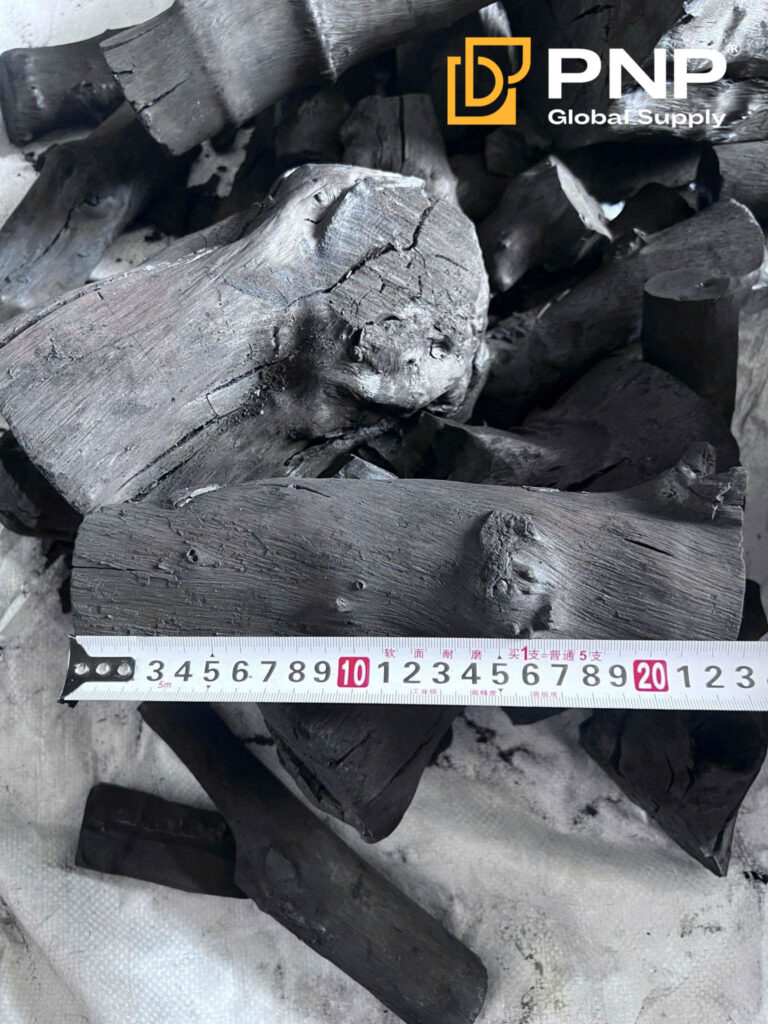
- Mangrove Charcoal: Known for its high heat, long burning time, and minimal smoke. It’s one of the most popular options for BBQ restaurants and professional grilling.
- Coconut Charcoal: Made from coconut shells, this eco-friendly charcoal burns cleanly and leaves very little ash.
- Coffee Charcoal: A premium option known for producing consistent heat and long-lasting performance.
- White Charcoal (Binchotan): A luxury charcoal used in Japanese-style BBQs due to its steady, clean flame.
- Eucalyptus and Acacia Charcoal: Affordable and efficient, ideal for both domestic and industrial use.
Each of these charcoal types can be packed in different charcoal packages such as 5 kg, 10 kg, 15 kg, or 20 kg bags, depending on importer specifications. Some importers even request customized packaging with branding for retail distribution.
Standard Procedures for Importing Charcoal
The procedures for importing charcoal follow general international trade principles. While each country has its own regulations, the process usually includes the following key steps:
Step 1: Market Research and Supplier Selection
Before you import charcoal, research potential suppliers and understand the charcoal types most demanded in your region. Reputable producers — especially in Vietnam and Indonesia — often have export experience and can provide documentation support.
Step 2: Documentation Preparation
Proper documentation ensures smooth customs clearance. The standard papers required to import charcoal include:
- Commercial Invoice
- Packing List
- Certificate of Origin
- Phytosanitary Certificate (depending on the destination country)
- Bill of Lading
- Import License (if applicable)
These documents certify the origin, quality, and legal compliance of your shipment.
Step 3: Booking and Shipping
Once documentation is ready, importers can book sea freight under FOB (Free on Board) or CIF (Cost, Insurance, and Freight) terms. Sea transport is the most common choice for bulk charcoal imports due to lower shipping costs.
Step 4: Customs Clearance
When the shipment arrives, the importer must submit all required documents for inspection and pay import duties. Many wood charcoal importers work with customs brokers to ensure the process goes smoothly and avoids delays.
Step 5: Delivery and Storage
After clearance, charcoal must be stored in a dry, well-ventilated area to maintain its burning quality. Avoid exposure to moisture, as it can reduce efficiency and cause mold formation.
Example: Import Charcoal Procedures in Japan
Japan is one of the strictest and most sophisticated charcoal markets in the world. When you import charcoal into Japan, specific standards must be met:
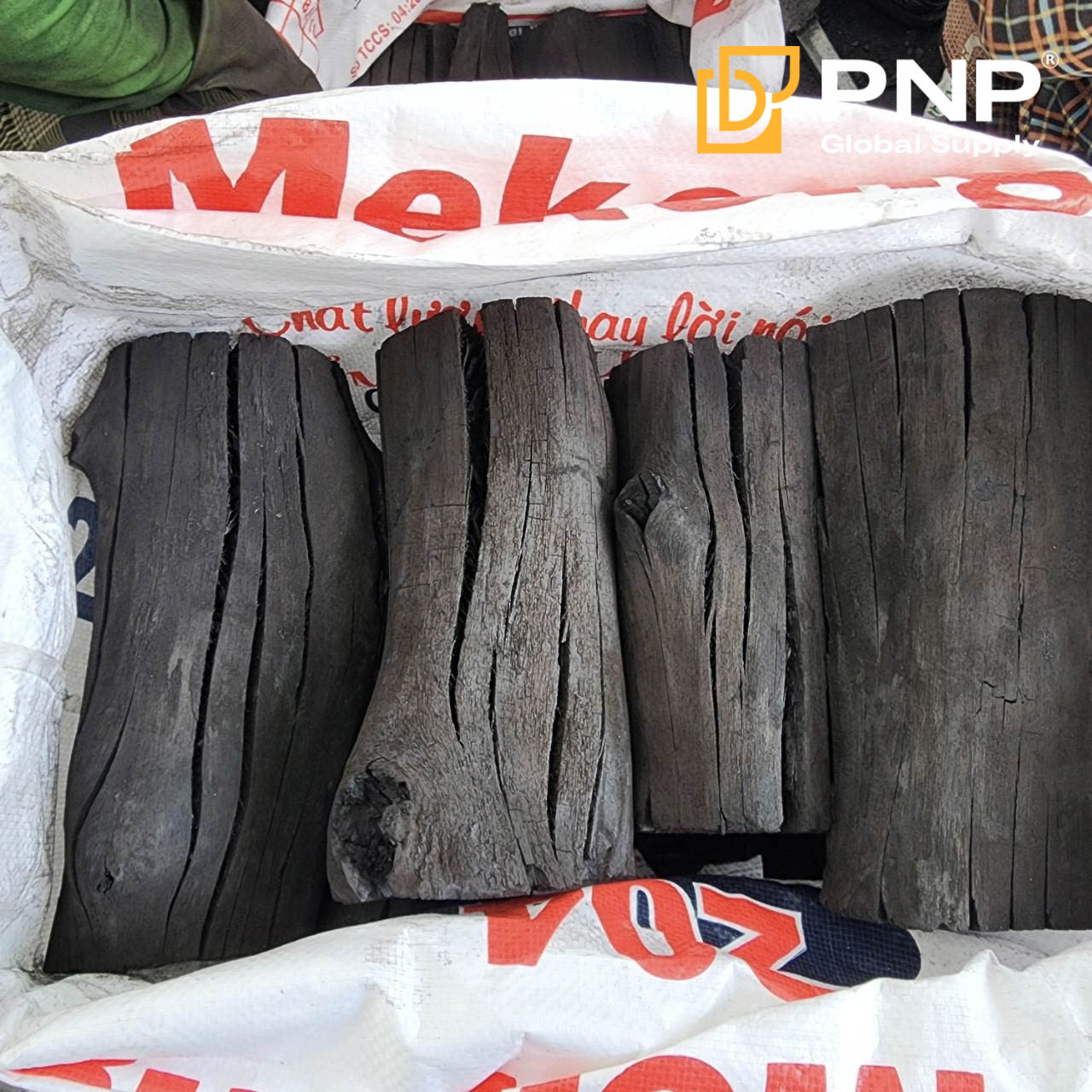
- The charcoal must be completely dry and free from organic impurities.
- A Phytosanitary Certificate is required to confirm that the product does not carry pests.
- The packaging must clearly state the origin, wood type, and country of manufacture (e.g., Mangrove Charcoal – Made in Vietnam).
Japanese buyers often prefer white charcoal and mangrove charcoal due to their high energy value and clean-burning characteristics. The country’s strict import policy ensures that only premium-quality charcoal reaches consumers.
Understanding Charcoal Cost and Pricing Factors
The charcoal cost varies depending on several elements:
- Type of Charcoal: White charcoal and coffee charcoal generally have higher prices due to quality and production complexity.
- Packaging and Size: Larger charcoal packages may offer a better cost per kilogram compared to smaller retail bags.
- Shipping and Port Charges: Freight costs differ by destination and incoterms (CIF vs. FOB).
- Import Duties and Taxes: Each country applies different tariff rates for natural fuel materials.
For example, Vietnamese charcoal is often priced competitively under CIF terms because of its proximity to Asian markets and efficient logistics network.
To ensure profitability, importers should request detailed quotations and compare multiple suppliers before finalizing their orders.
If you want to explore practical ways to reduce your charcoal import cost, check out our detailed guide in the article below: How to Reduce Charcoal Import Costs for Importers
Charcoal Packaging and Shipping Standards
Proper packaging not only preserves product quality but also ensures safety during transport. Common charcoal packages include:
- PP Bags or Kraft Paper Bags: Lightweight and cost-effective for bulk shipments.
- Carton Boxes: Ideal for retail-ready products.
- Jumbo Bags: Used for large industrial orders.
During shipping, the charcoal should be kept away from flammable goods and moisture. Many wood charcoal importers also choose eco-friendly packaging options to align with global sustainability trends, particularly for the EU market.
Tips for Successful Charcoal Importers
- Always check the charcoal’s moisture content, ash percentage, and fixed carbon level before confirming a shipment.
- Work directly with charcoal manufacturers to gain better pricing and control over production quality.
- Keep track of regulatory updates in your import country to avoid compliance issues.
- Choose trusted logistics partners with experience in handling natural fuel products.
- Prioritize eco-friendly options such as coconut charcoal or coffee charcoal to meet rising environmental standards.
Why Choose Vietnamese Charcoal for Import
If you are looking for a balance between quality, performance, and price, Vietnamese charcoal is an excellent choice. Producers in Vietnam, such as PNP Charcoal, specialize in a wide range of charcoal types including mangrove charcoal, coffee charcoal, white charcoal, and eucalyptus charcoal.
These products are known for their long burn time, consistent heat, and clean performance. In addition, Vietnamese suppliers are experienced exporters who understand international procedures for importing, making them reliable partners for long-term cooperation.
PNP Charcoal provides premium Vietnamese charcoal, known for long burn time, consistent heat, and clean performance. With experience in international exports, we ensure reliable supply and quality for every order. Visit our website: PNP Charcoal to explore our full range of charcoal products.
Conclusion
The decision to import charcoal requires careful planning, documentation, and supplier selection. By understanding the procedures for importing, choosing high-quality products, and maintaining efficient logistics, wood charcoal importers can build sustainable, profitable businesses in this expanding market.
Whether you’re sourcing mangrove charcoal, coconut charcoal, or other eco-friendly products, Vietnamese charcoal remains a dependable choice for quality and cost-effectiveness.
If you’re planning to import premium charcoal for your business, contact PNP Charcoal today to explore the best deals and packaging options tailored for your market.
________________________________
Contact us for more information
Facebook: PNP Charcoal
Instagram: PNP Charcoal
Email: info@pnpglobalsupply.com